43 kindergartens, seven faults
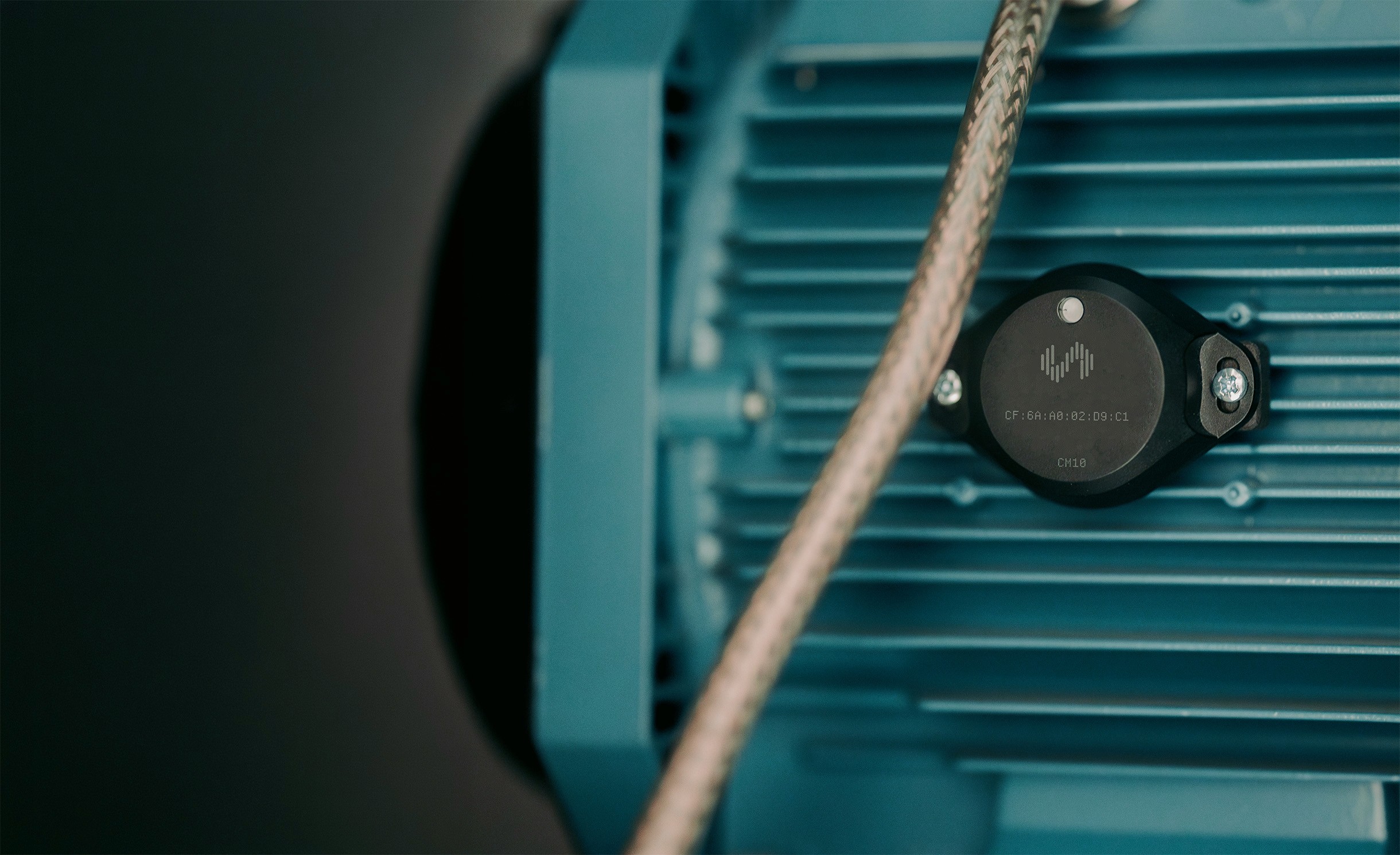
A public property owner in Norway had vibration sensors on the ventilation fans in 43 kindergartens for a year. In seven of them the sensors found ventilation running outside its schedule. Three of those faults had been there for years. At least four more appeared during the year. In the other 36 buildings no schedule fault was found.
The two “worst” buildings had been running day and night for nine years. At 1.10 kr per kWh they wasted about 50,000 kr and 70,000 kr a year in electricity.
Before the sensors went in, nobody could have said which seven buildings it would be. The owner’s energy monitoring had not shown the faults and the service technicians had not seen them. A return figure for any single building would have been a guess, but as a portfolio it was very profitable from the first week, as some of the bigger faults carry the cost for those where no faults were found.
A figure per building does not make sense
We get this question a lot, and we get it, but faults in ventilation are unevenly spread. In a given year most assets have none, many have one or two (often repeat offenders here!), and a few have one that costs a lot. An average per building describes almost none of the actual buildings.
Insurance is priced the same way. An insurer cannot say which house will have water damage this year. It can say how many houses in a thousand will, and what the damage costs on average. The price follows from how often it happens and how much it costs when it does. That also sums up our thinking-
We answer the ROI question that way. We give a rate for the whole portfolio: how often a fault turns up, and what a fault costs. We can’t promise a saving for a named building, because we cannot know in advance which buildings have the faults.
Four sources of value
The return comes from four places. We have the numbers for the actual errors caught, how many units outside of schedule, etc. The numbers were then filled out by the customer. This is important, because these are the customers own numbers, not our estimates.
Source of value | Whose number | What we have seen |
|---|---|---|
Units running outside their schedule | Ours | About one site in six in the first year. A unit left on wastes about 6,400 kr per kW of fan power per year. |
Breakdowns avoided | Ours | One seized bearing caught in a shopping centre: about 650,000 kr in avoided cost. |
Manual inspection rounds | The customer’s | A water utility went from rounds every second week to every third and saved 540 hours and 675,000 kr a year. A shopping centre owner went from daily to weekly rounds and saved about 75,000 kr per centre a year. |
External service visits | The customer’s | In the kindergarten portfolio the owner went from two service visits a year to one. This varies a lot between customers. |
The first two come from our own data. The sensors show when a unit runs outside its schedule and when a bearing is wearing out, and we can put a price on both.
The last two depend on how the customer runs operations today: how often someone walks the plant rooms, and what the service contract says. We use the customer’s own figures for these and do not argue with them. Some units turn out to need more attention than the calendar gave them, so we do not promise fewer service visits across the board.
In the shopping centre case the sensors raised two alarms a week apart on the same fan. An external technician cleaned the fan both times. The operations manager then took the motor apart himself and found one bearing seized and another close to it. A failure would have meant an express replacement and at least five days without ventilation in a conference area that brings in about EUR 10,000 a day.
When we build a case for a customer we check what is left when one of the four is set to zero. A customer with no manual rounds today has nothing to save there, and the case has to be judged on the other three.
A portfolio with a full count
The kindergarten is one of our portfolio projects, where we have good data across a portfolio managed under the same team. Sensors were installed in 43 buildings. These are the figures per kindergarten per year.
Per kindergarten per year | Amount |
|---|---|
Electricity saved on schedule faults | 3,800 kr |
External service | 9,500 kr |
Manual inspection rounds | 6,750 kr |
Total gain | about 20,100 kr |
Cost, everything included | about 12,200 kr |
The gain is 1.65 times the cost, and the investment pays back in about seven months.
The electricity figure is the seven faults priced at 1.10 kr per kWh and spread over all 43 buildings. The service figure is the owner going from two visits a year to one, and dropping some proposed measures. The rounds figure is six fewer inspection visits a year, at an hour and a half each. The cost covers the licence, mobile data, the start-up cost spread over ten years, and the owner’s own time.
This is a fairly conservative case cost wise. A kindergarten has one small fan, so a fault there is cheap compared with a fault in an office building. Electricity alone covers about a third of the cost. The rest of the return rests on service and rounds, which are the owner’s own figures. No value is counted for avoided breakdowns.
Commercial buildings: fewer faults, but larger ones
In offices and shopping centres several ventilation units usually share a controller or a set of settings. When one thing goes wrong it goes wrong for all of them. In our cases a single control fault has covered between three and nine units.
The faults we have priced in commercial buildings cost from 8,000 EUR to over 100,000 EUR a year. Single findings have returned three to ten times the yearly licence for the units involved. Every one of them had passed the building management system and at least one service visit before the sensors picked it up.
An owner who wants an estimate for a commercial portfolio can borrow the kindergarten rate as a starting point. Take the number of buildings and assume one in six has a schedule fault in the first year. See our other article “What a ventilation unit running 24/7 actually costs” for more info.
Questions people ask
What is the ROI of predictive maintenance for HVAC in commercial buildings?
In the one portfolio where we have a full count, 43 kindergartens, the yearly gain was 1.65 times the yearly cost and the investment paid back in about seven months. In commercial buildings, single findings have returned three to ten times the yearly licence for the units involved.
Why can you not give an ROI per building?
The ROI is affected of how the asset actually behaves in the future, which is impossible to predict. What we can do, is give averages and estimations based on actual performance: In the kindergarten portfolio 36 of 43 buildings had no schedule fault in the first half year, and seven did. Nobody could say in advance which seven. In the following 6 months, a different set of units had faults.
How often do ventilation units run outside their schedule?
About one site in six had a schedule fault in the first year in the portfolio we have counted. We do not have a count for commercial buildings yet -- but it’s a lot.
Where does the value come from?
From four places: units running outside their schedule, breakdowns avoided, fewer manual inspection rounds, and external service matched to what each unit needs. We bring the numbers for the first two and the customer brings the numbers for the last two.
Does it pay back when the sensors find no faults?
Then the return rests on rounds and service. This is often enough to ensure positive ROI within the first 12 months alone.
About Soundsensing
Soundsensing provides AI-based predictive maintenance for HVAC in commercial buildings in the Nordics, Benelux, Germany and France. Vibration sensors on fans, pumps and motors detect units running outside schedule and components wearing toward failure, before the building management system or the service technician sees it. As of 2026 it monitors around 4,000 assets in roughly 500 buildings. Soundsensing leads the research project BeHoVent with SINTEF, Interfil, OBOS Eiendom and Eiendomsspar, funded by the Research Council of Norway, on replacing fixed service intervals on ventilation units with data-driven maintenance.
Ole Johan A. Bjerke is co-founder and CEO of Soundsensing. Written November 2026.